
As we age, our bodies change — metabolism slows down, muscle mass decreases, and the digestive system becomes more sensitive. These natural shifts make proper nutrition one of the most important keys to staying active, alert, and strong in later years. Eating well isn’t just about avoiding illness; it’s about fueling your body and mind for a vibrant, fulfilling life.
Let’s explore how seniors can maintain energy, vitality, and overall wellness through smart food choices.

1. The Importance of Good Nutrition for Seniors
Healthy eating supports every part of aging well. It strengthens the immune system, protects against chronic diseases like diabetes or heart problems, and boosts energy levels. A balanced diet also improves mood, supports mental clarity, and helps maintain a healthy weight.
For older adults, nutrition becomes more about quality than quantity — choosing nutrient-dense foods over large portions of low-value calories.
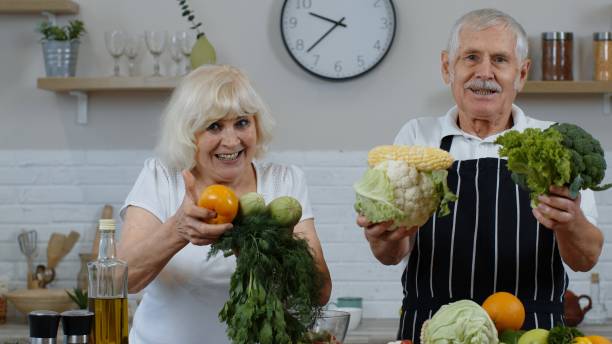
2. Eat Balanced, Colorful Meals
A simple way to improve nutrition is to “eat the rainbow.” This means including fruits and vegetables of different colors, as each color represents unique nutrients your body needs.
Green foods like spinach and broccoli build strong bones and boost immunity.
Orange and yellow foods like carrots and mangoes improve vision and skin health.
Red and purple foods like tomatoes and berries protect against heart disease.
Aim for a balanced plate: half fruits and vegetables, one-quarter lean protein, and one-quarter whole grains.
3. Prioritize Protein for Strength and Energy
Muscle loss (sarcopenia) is common with aging, leading to weakness and fatigue. Including enough protein helps maintain muscle mass and keeps the body strong.
Good protein sources include:
- Fish (like salmon or mackerel)
- Lean chicken or turkey
- Eggs
- Beans, lentils, and chickpeas
- Greek yogurt and milk
Try to include a source of protein in every meal — it helps sustain energy throughout the day.
4. Stay Hydrated — Water is Essential
Many seniors drink less water because the sense of thirst decreases with age. However, dehydration can cause fatigue, dizziness, constipation, and confusion.
To stay hydrated:
- Drink small amounts of water regularly throughout the day.
- Include soups, fruits like watermelon, and herbal teas.
- Limit sugary drinks and alcohol, which can dehydrate the body.
A good goal is about 6–8 glasses of water daily, depending on activity and health condition.
5. Choose Healthy Fats for Heart and Brain Health
Not all fats are bad. Healthy fats are crucial for brain function, joint flexibility, and heart health.
Focus on omega-3 fatty acids found in:
- Fatty fish (salmon, sardines, tuna)
- Nuts and seeds (flaxseed, walnuts, chia)
- Olive oil and avocado
These good fats reduce inflammation, improve memory, and lower the risk of heart disease.
6. Limit Sugar and Processed Foods
Too much sugar or processed food can cause weight gain, diabetes, and low energy. Seniors should reduce intake of:
- Sweets and pastries
- Soft drinks and sweetened beverages
- Packaged snacks high in salt and fat
Instead, satisfy cravings with natural options — fruits, nuts, or homemade smoothies.
7. Get Enough Vitamins and Minerals
Aging bodies often need extra vitamins and minerals to stay healthy. Essential ones include:
- Vitamin D and Calcium: For strong bones and teeth.
- Vitamin B12: Supports brain and nerve function.
- Iron: Prevents tiredness and anemia.
- Potassium and Magnesium: Help regulate blood pressure and heart rhythm.
If necessary, your doctor can recommend supplements, but natural food sources are always best.
8. Eat Smaller, Frequent Meals
Some seniors lose appetite or feel full quickly. Eating smaller, more frequent meals ensures steady energy and better digestion. Instead of three large meals, try five lighter meals spread evenly throughout the day.
9. Practice Mindful Eating
Don’t just eat to fill up — eat to nourish. Take time to enjoy each bite, chew slowly, and avoid distractions like TV during meals. This promotes better digestion and helps you recognize when you’re full, preventing overeating.
10. Keep a Joyful Relationship with Food
Healthy eating doesn’t mean giving up all your favorite meals. It’s about moderation. Cooking at home, eating with family, and trying new healthy recipes can make nutrition enjoyable again. Food should bring both health and happiness.
Conclusion
Nutrition is the foundation of energy, strength, and longevity in old age. A balanced diet — rich in fruits, vegetables, lean proteins, whole grains, and healthy fats — keeps the body fueled and the mind alert. Combined with proper hydration and mindful eating, these habits help seniors feel youthful and active every day.
Healthy eating isn’t just about adding years to life; it’s about adding life to your years.