
Breastfeeding is a beautiful and natural process, but it also places extra demands on a mother’s body. One of the most overlooked yet vital aspects of breastfeeding health is hydration. Many new mothers focus on eating nutritious meals — which is great — but forget that water is equally essential.
Breast milk is made up of about 90% water, which means your body needs an adequate supply to keep producing enough milk for your baby. Staying hydrated doesn’t just help with milk production — it also supports your energy, mood, and overall health as a new mom.
Let’s explore why hydration is so important during breastfeeding and how to maintain it effectively.
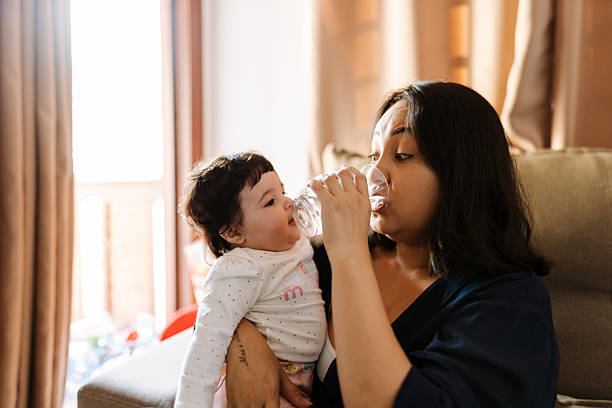
1. Why Hydration Matters for Breastfeeding Mothers
Every drop of breast milk you produce draws water from your body. So when you’re breastfeeding, you naturally lose more fluids than usual. If those fluids aren’t replaced, dehydration can occur — leading to tiredness, headaches, dizziness, or even a reduced milk supply.
Proper hydration helps:
- Maintain a healthy and steady milk flow.
- Support your energy levels and prevent fatigue.
- Keep your skin and digestion healthy.
- Regulate your body temperature and hormones after childbirth.
When you drink enough water, your body functions better, and your baby benefits from consistent and nutritious milk.
2. How Much Water Should a Breastfeeding Mother Drink?
There isn’t one exact number that fits everyone because hydration needs vary depending on body weight, activity level, and climate. However, most experts recommend 8 to 12 cups (about 2.5 to 3 liters) of fluids daily for breastfeeding mothers.
A simple rule of thumb:
Drink whenever you feel thirsty, and add one glass of water each time you breastfeed.
Your body’s thirst signal is a natural guide. But if you often feel dry-mouthed, dizzy, or notice darker urine, those are signs you may need more fluids.
3. Signs You Might Be Dehydrated
Even mild dehydration can affect your body and milk production. Look out for these warning signs:
- Dry mouth or lips
- Fatigue or light-headedness
- Dark yellow urine
- Constipation
- Headaches
- Low milk supply or slower milk let-down
If you experience these symptoms, increase your water intake gradually and rest.
4. The Best Drinks for Breastfeeding Mothers
While water is the best choice, there are other healthy fluids that can also keep you hydrated and nourished. Try including these options throughout the day:
- Plain water: Always your number one choice.
- Warm water with lemon: Refreshing and supports digestion.
- Milk or plant-based milk (like almond or soy): Great for calcium and protein.
- Coconut water: Natural electrolytes for hydration.
- Smoothies: Combine fruits, vegetables, and yogurt for a nutrient boost.
- Herbal teas: Such as ginger, rooibos, or chamomile — soothing and safe in moderation.
Avoid sugary sodas and energy drinks — they might give a temporary energy spike but can lead to dehydration later.
5. Drinks to Limit or Avoid
Some beverages can interfere with your hydration or even affect your baby through breast milk. It’s best to limit:
Caffeinated drinks: Too much coffee, tea, or cola can dehydrate and make your baby fussy or restless. Stick to one or two cups per day.
Alcohol: Passes into breast milk and can harm your baby’s development.
High-sugar drinks: Like soft drinks or sweetened juices — they add calories without nutrients.
Moderation is key. If you enjoy tea or coffee, balance it by drinking more water afterward.
6. Practical Tips to Stay Hydrated Daily
Here are some simple and realistic ways to keep your hydration levels up every day:
1. Keep a water bottle nearby.
Have one at your bedside, in your nursing area, and carry one when going out.
2. Drink before, during, and after breastfeeding.
Make it a routine — one glass each time your baby feeds.
3. Eat water-rich foods.
Fruits like watermelon, oranges, cucumber, and strawberries help boost hydration naturally.
4. Set reminders.
Use phone alarms or hydration apps to remind you to drink water regularly.
5. Flavor your water naturally.
If plain water feels boring, add slices of lemon, cucumber, or mint for taste.
6. Watch your urine color.
Light yellow means you’re hydrated; darker color means you need more fluids.
7. How Hydration Affects Milk Supply
Many mothers worry about milk supply, but dehydration is one of the simplest issues to fix. While drinking extra water alone won’t increase milk production dramatically, being dehydrated can reduce it.
When your body doesn’t have enough fluids, it prioritizes essential organs over milk production. Staying well-hydrated ensures your body can produce milk consistently and comfortably.
8. The Connection Between Hydration and Emotional Health
Beyond the physical effects, dehydration can also affect your mood. Studies show that even slight dehydration can lead to irritability, tiredness, or anxiety — feelings already common among new mothers.
Drinking enough water supports brain function, helps regulate stress hormones, and promotes emotional stability. Simply put, hydration keeps both your body and mind refreshed.
9. Realistic Hydration Routine for Busy Moms
Here’s a simple daily routine to help breastfeeding mothers stay hydrated naturally:
- Morning: Start your day with a glass of water before breakfast.
- Mid-morning: Sip water or herbal tea while nursing or doing chores.
- Lunch: Pair your meal with water or a light smoothie.
- Afternoon: Refill your bottle and snack on fruits like oranges or watermelon.
- Evening: Drink water after dinner, but reduce intake close to bedtime to avoid frequent night urination.
Conclusion
Hydration is more than just drinking water — it’s a vital part of keeping both you and your baby healthy. As a breastfeeding mother, every sip you take contributes to your baby’s nourishment and your own recovery.
By staying consistently hydrated, you’ll have more energy, a stable milk supply, and a clearer, calmer mind to enjoy the beautiful journey of motherhood.
So remember: Each drop of water is a gift — for you and your little one.