
As we grow older, our bodies go through many changes — some visible, others silent. Many health conditions common in old age, such as high blood pressure, diabetes, and heart disease, often begin quietly without obvious symptoms. That’s why routine medical checkups are not just important; they are essential for staying healthy, preventing complications, and living longer with confidence.
Regular health screenings allow doctors to detect potential problems early when they are easier to treat. They also help seniors monitor existing conditions and maintain an active, independent lifestyle. Let’s explore why consistent medical checkups are a cornerstone of senior wellness.
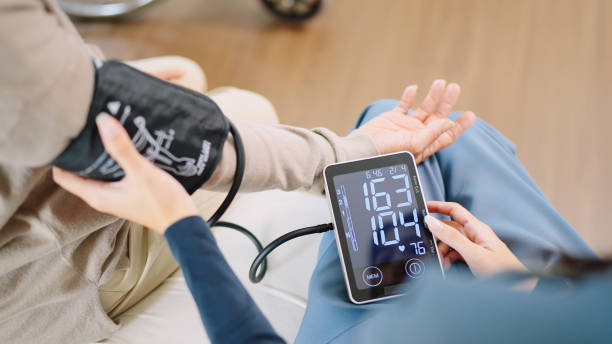
1. Early Detection Saves Lives
One of the greatest advantages of routine checkups is early detection. Many diseases develop slowly over time, showing no clear signs until they become serious. Regular medical visits help doctors identify warning signs early and start treatment before complications arise.
For example:
- High blood pressure can be controlled with simple medication before it damages the heart.
- Diabetes can be managed early to prevent nerve, kidney, or vision problems.
- Cancer screenings can detect tumors when treatment success rates are highest.
In short, prevention is always better — and cheaper — than cure.
2. Monitoring Existing Health Conditions
For seniors already living with chronic illnesses, regular checkups ensure that conditions remain under control. Doctors can adjust medications, monitor side effects, and recommend lifestyle changes to maintain balance.
Conditions that require continuous monitoring include:
- Hypertension (high blood pressure)
- Diabetes
- Arthritis
- Heart disease
- Osteoporosis
Through regular follow-ups, doctors can track progress, detect changes, and prevent serious complications.
3. Building a Strong Relationship with Healthcare Providers
Having a consistent healthcare provider builds trust and understanding. Over time, your doctor becomes familiar with your medical history, lifestyle, and preferences, making it easier to provide personalized advice and care.
This relationship encourages open communication — seniors feel more comfortable discussing symptoms, emotional concerns, or medication effects. A good partnership between patient and doctor leads to better outcomes and peace of mind.
4. Important Health Screenings for Seniors
Routine checkups typically include several key screenings that help maintain overall health. Some of the most important are:
- Blood Pressure Tests: Detect hypertension early.
- Blood Sugar Tests: Identify and manage diabetes.
- Cholesterol Tests: Monitor heart health.
- Bone Density Scans: Prevent or manage osteoporosis.
- Eye and Hearing Tests: Address sensory loss before it worsens.
- Cancer Screenings: Such as mammograms, colonoscopies, or prostate exams.
- Cognitive Assessments: Check for memory loss or early dementia symptoms.
These tests may seem small, but they play a major role in protecting long-term health.
5. Medication Review and Management
Older adults often take multiple medications for different health conditions. During routine visits, doctors review all prescriptions to avoid drug interactions, unnecessary side effects, or incorrect dosages.
Medication management ensures that seniors take only what they truly need — in the right amounts — for maximum benefit and safety.
6. Updating Vaccinations
Vaccines are not just for children; they are equally important for older adults. Routine checkups allow doctors to update immunizations that protect against diseases like:
- Influenza (flu)
- Pneumonia
- Shingles
- COVID-19 and other respiratory infections
Keeping up with vaccinations helps reduce hospitalization risk and maintains a strong immune defense.
7. Encouraging a Healthier Lifestyle
Medical checkups are also opportunities for seniors to receive personalized advice on improving daily habits. Doctors can guide patients on diet, exercise, sleep, and stress management.
For instance, a physician might recommend light exercises to strengthen weak joints or suggest a low-sodium diet to protect heart health. These small adjustments make a big difference in how seniors feel and function every day.
8. Mental and Emotional Health Assessments
Health isn’t just physical. Many seniors experience anxiety, sadness, or loneliness — emotions that often go unnoticed. During checkups, healthcare professionals can screen for mental health concerns and recommend support through counseling, therapy, or medication if needed.
Regular emotional assessments help seniors maintain not only a healthy body but also a peaceful mind.
9. Reducing Emergency Health Risks
Routine visits reduce the chance of sudden health emergencies. By keeping conditions under control and detecting issues early, seniors are less likely to face hospitalizations, falls, or severe complications. Regular monitoring acts as a protective shield, helping seniors stay safe and self-sufficient.
10. Promoting Confidence and Peace of Mind
Finally, consistent medical checkups give seniors a sense of control over their health. Knowing that everything is being monitored and managed brings peace of mind — both for the individual and their loved ones. It allows them to focus on enjoying life, staying active, and doing what they love.
Conclusion
Routine medical checkups are one of the most powerful tools for healthy aging. They help detect diseases early, manage existing conditions, and prevent serious complications. More importantly, they encourage seniors to stay proactive, informed, and confident about their health.
Aging gracefully doesn’t mean avoiding the doctor — it means working with them to live your best life. Regular medical visits are not just about adding years to life, but adding life to those years.